Saint Rita of Cascia
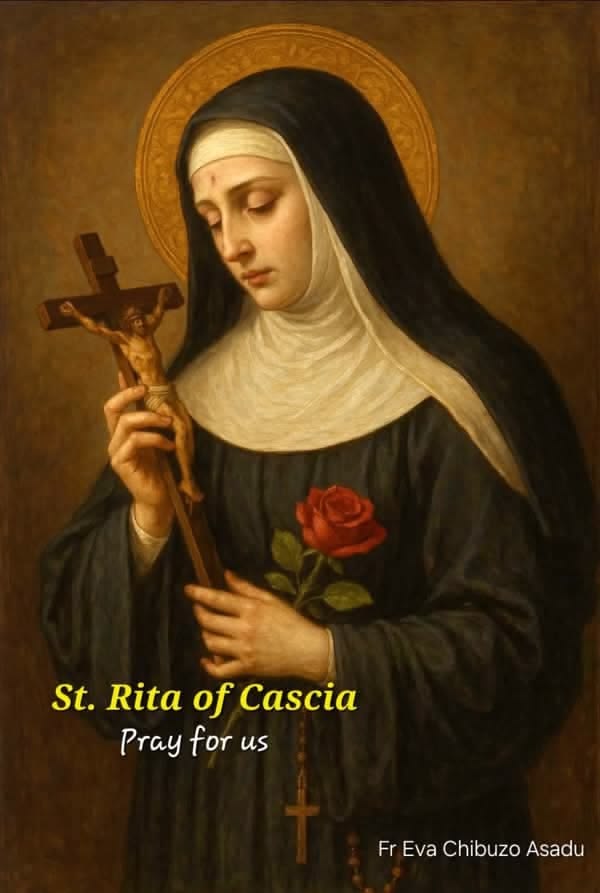
A powerful witness of forgiveness, patience, prayer, and hope. Saint Rita remains one of the Church’s most beloved saints, especially for those facing impossible or deeply painful situations.
Feast Day: 22 May
Historical Background
Saint Rita lived during the late 14th and 15th centuries in central Italy, a time marked by political instability, violence, and family feuds. Revenge killings were common, and forgiveness was rare. God raised Saint Rita in this troubled society as a powerful witness to peace, patience, forgiveness, and trust in His mercy.
Birth and Early Life
Saint Rita was born around 1381 in the village of Roccaporena, near Cascia in Umbria, Italy. Her baptismal name was Margherita Lotti.
Her parents, Antonio and Amata Lotti, were devout Catholics and respected peacemakers who often reconciled feuding families. They were elderly and childless for many years, and Rita was received as a special gift from God.
From childhood, Rita showed a deep love for prayer and solitude and expressed a strong desire to become a nun. According to tradition, bees surrounded her cradle without harming her, a sign of God's favor that remained remembered by the villagers.
Marriage and Domestic Suffering
In obedience to her parents and the customs of the time, Rita was married at a young age to Paolo Mancini, a man known for his violent temper and immoral life.
For 18 years, Rita endured physical abuse, emotional suffering, and humiliation. She never responded with anger or revenge. Instead, she remained faithful, patient, and prayerful, offering her suffering to God.
Through Rita's constant prayer and forgiveness, Paolo eventually repented, abandoned violence, reconciled with his enemies, and became a loving husband.
Widowhood and the Death of Her Sons
Despite his conversion, Paolo was later murdered by enemies from past feuds. Rita was left a widow with two sons.
Her sons desired revenge for their father's death. Fearing for their souls, Rita prayed intensely that God would prevent them from committing mortal sin, even if it meant their death.
Both sons later died of illness, reconciled with God and their mother. Though deeply sorrowful, Rita accepted this painful answer as an act of God's mercy.
Call to Religious Life and Entrance into the Convent
After losing her entire family, Rita sought to join the Augustinian convent of Saint Mary Magdalene in Cascia. She was initially refused because she was a widow and because of her husband's violent past.
Through perseverance and prayer, and according to tradition through a miraculous intervention of Saint Augustine, Saint John the Baptist, and Saint Nicholas of Tolentino, Rita was admitted into the convent.
Life as an Augustinian Nun
Saint Rita lived in the convent for about 40 years. Her life was marked by deep prayer, obedience, humility, fasting, penance, and service to the sick and poor.
One famous act of obedience involved watering a dry vine daily, which later miraculously grew and continues to bear fruit today.
Her holiness was not in comfort, but in quiet endurance, service, and complete trust in God.
The Stigma of the Thorn
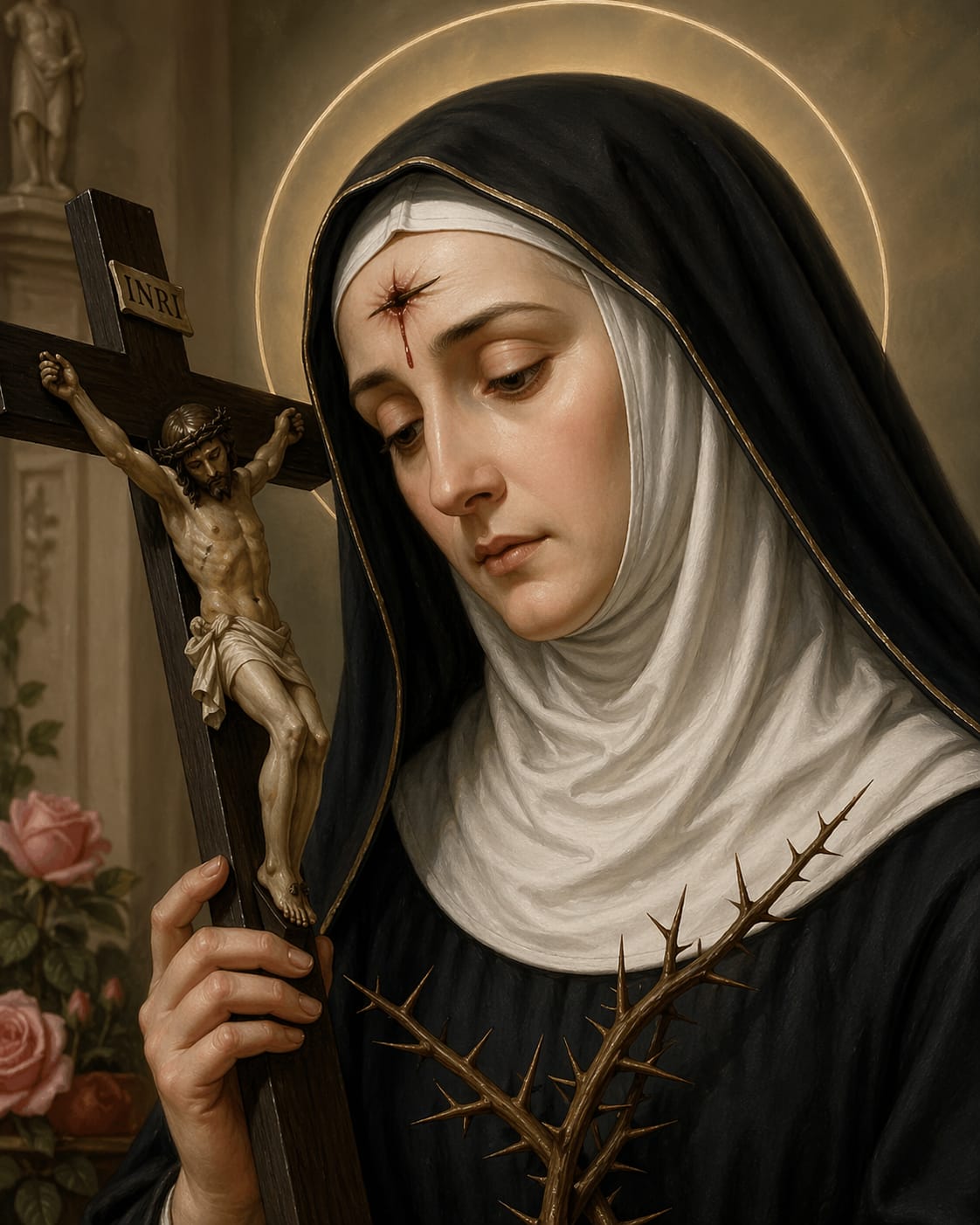
While praying before a crucifix, Rita asked to share in the suffering of Christ. She received a wound on her forehead, believed to be from one of the thorns of Christ's crown.
The wound caused her great pain and isolation and remained with her for about 15 years. Rita accepted this suffering joyfully and offered it for the salvation of souls.
Final Years and Death
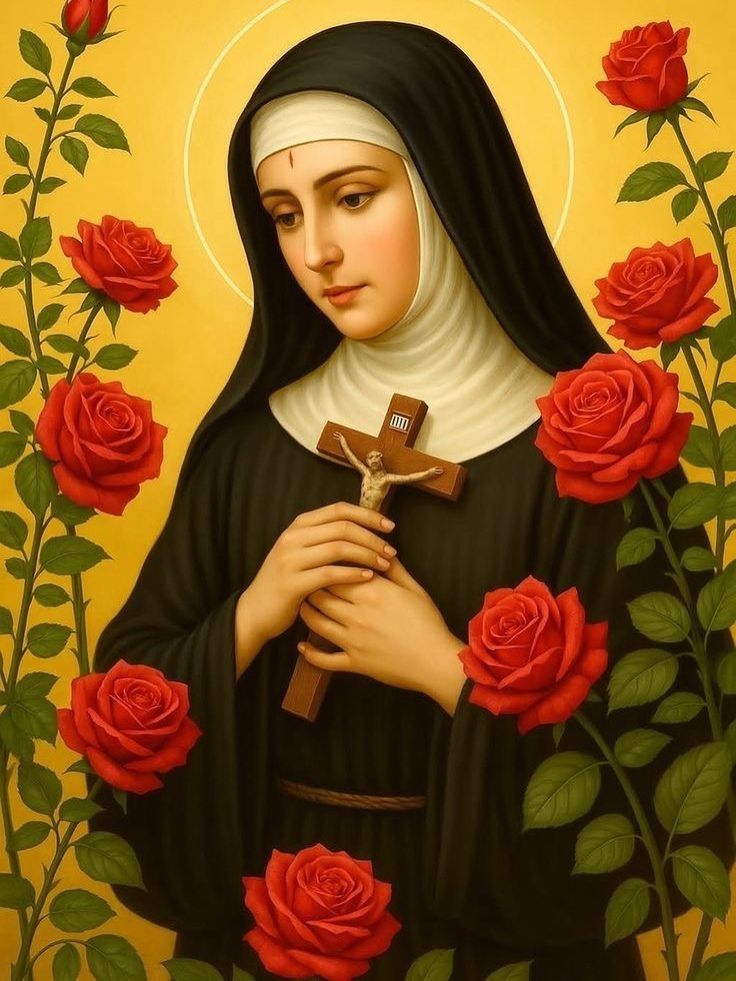
In her final years, Saint Rita became weak and bedridden. During winter, she requested a rose from her family garden. Though it was winter, a single rose bloomed, a miracle that became one of her most famous symbols.
Saint Rita died peacefully on May 22, 1457. At her death, her room was filled with a sweet fragrance, bells rang without human touch, and many miracles were reported.
Canonization and Legacy
Saint Rita was canonized in 1900 by Pope Leo XIII, who called her "The Pearl of Umbria."
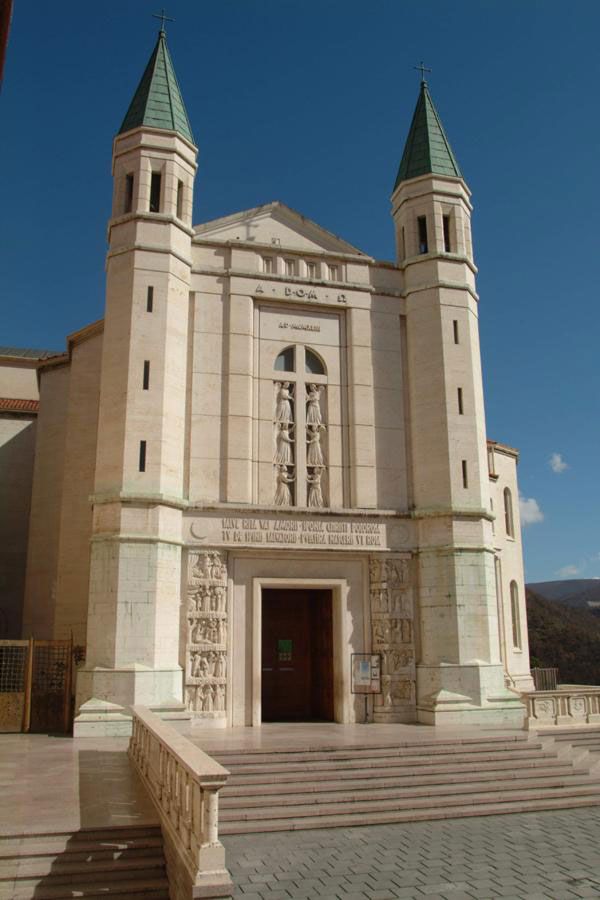
Her body remains incorrupt and is venerated at the Basilica of Saint Rita in Cascia, Italy.
Patronage and Devotion
Saint Rita is the patron saint of:
- Impossible and desperate cases
- Troubled marriages and families
- Widows
- Mothers
- Victims of abuse
- Forgiveness and reconciliation
Her feast day is May 22. She is often associated with roses, symbolizing hope, healing, and God’s mercy.